
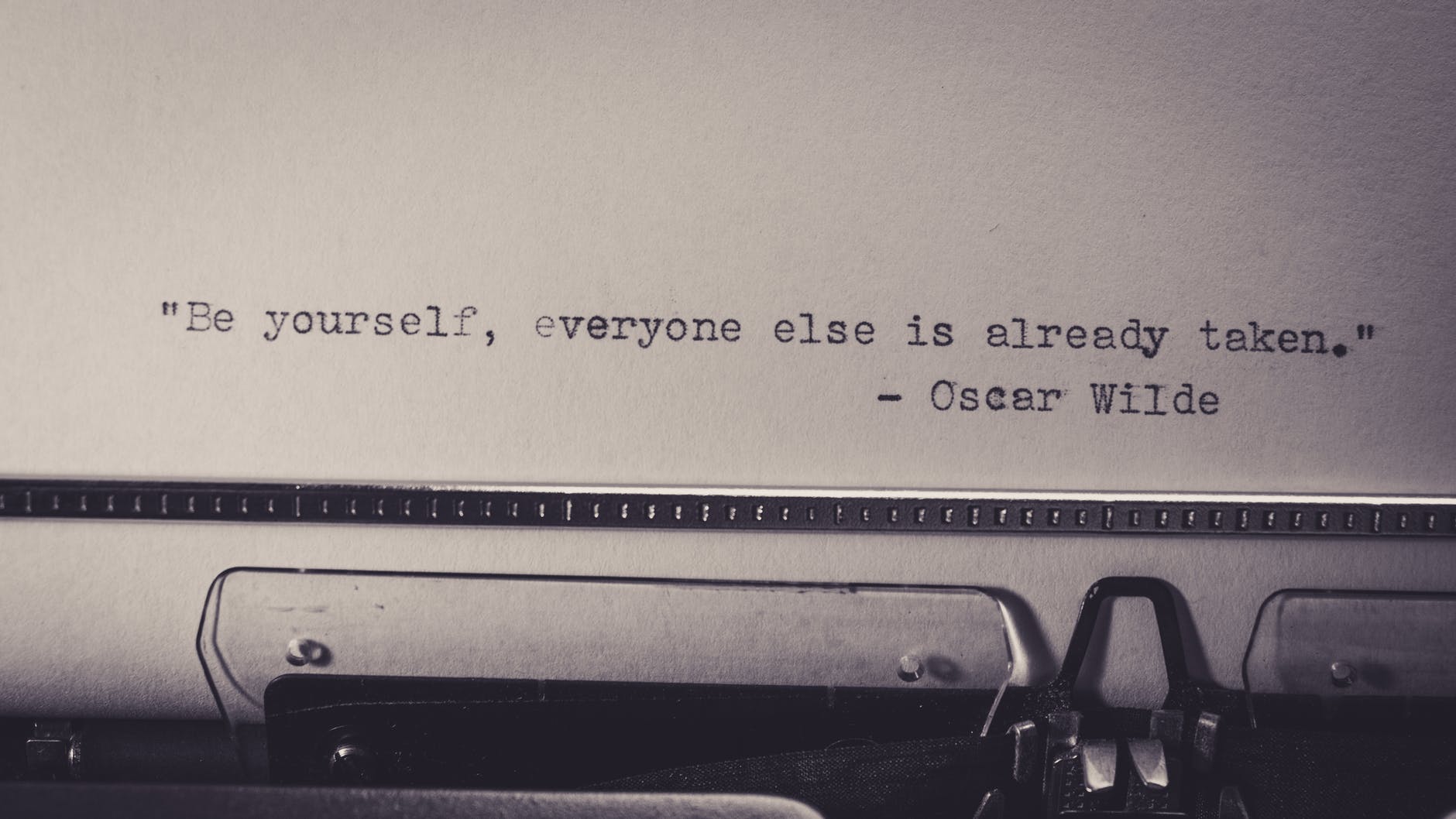
While most historical figures prior to the 20th century lack a diverse and copious volume of portraits, one quick internet search for images of Oscar Wilde reveals an illustrious gallery of posed photographs. The late 19th century writer and celebrity is often depicted in elaborate outfits ahead of his time: fedoras and fur coats, velvet jackets and tied capes, stockings and satin ties. On his purportedly flamboyant manner of dressing, Wilde once remarked, “I have the simplest of tastes. I am always satisfied with the best.” If he were alive during the age of smart phones and social media, I have no doubt that he would run a well-curated Tumblr blog to share his sensational thoughts in the form of text posts and respond with searing wit to others’; the online community would regard him as an aesthetic icon, not only for his visually pleasing and daring clothing ensembles, but the very manner in which he chose to pose for portraits. His camera roll would undoubtedly be nearly run out of storage because of the thousands of photos Wilde would take of whatever he found artistically pleasing– including himself.
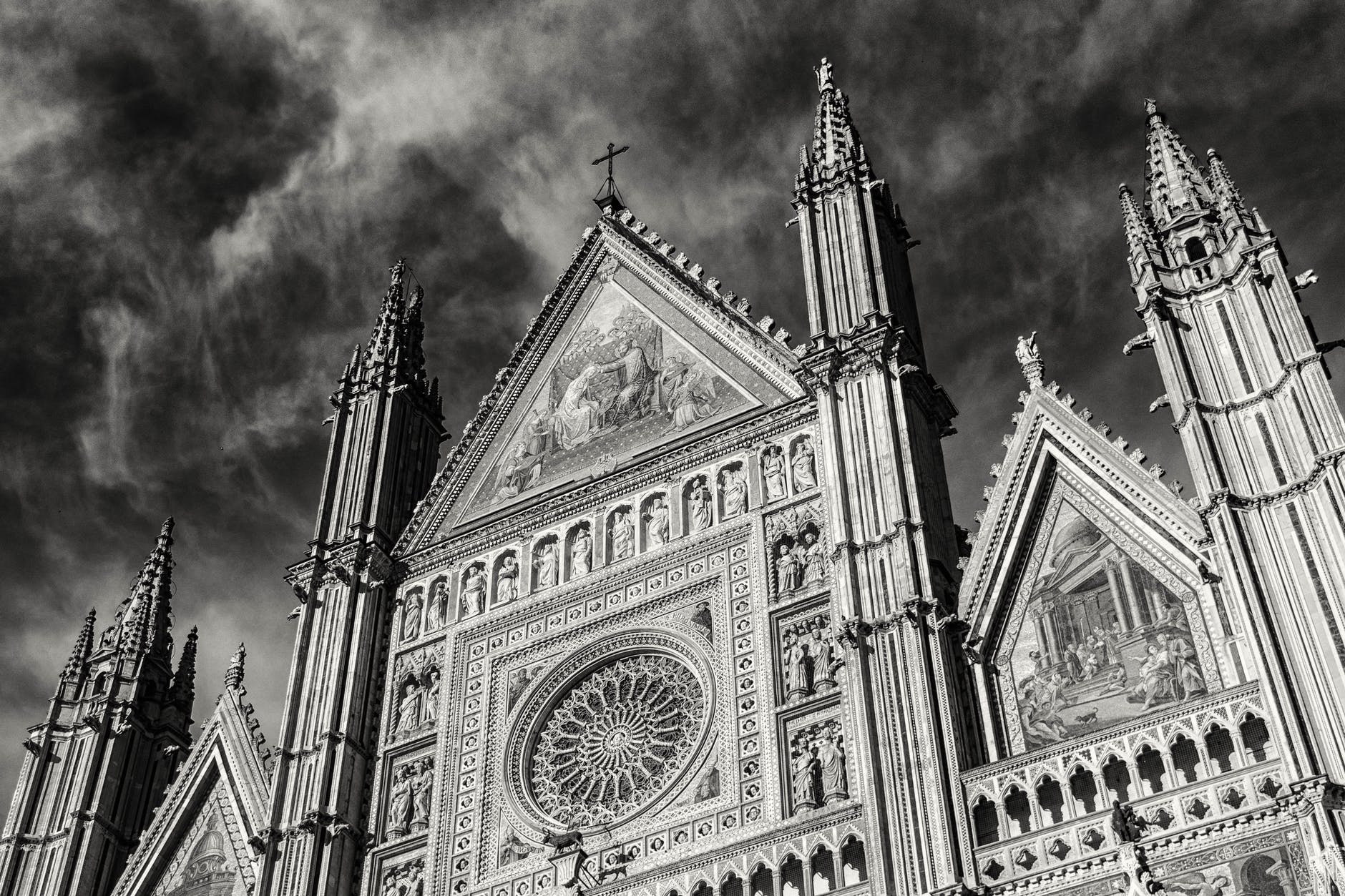
Wilde embodied Aestheticism, the movement he and others lead during the late 19th century centered on the dogma of “art for art’s sake”, or the appreciation and creation of art for its beauty and its beauty alone, rather than political statement or religious teaching. The movement also asserted art as a means of enlightenment and the things and experiences one finds artistically and sensually pleasing– regardless of morality– as the path one should take. These concepts are deeply ingrained in the story of Dorian Gray, but before they were part of the character, they were deeply ingrained in the character of the author.

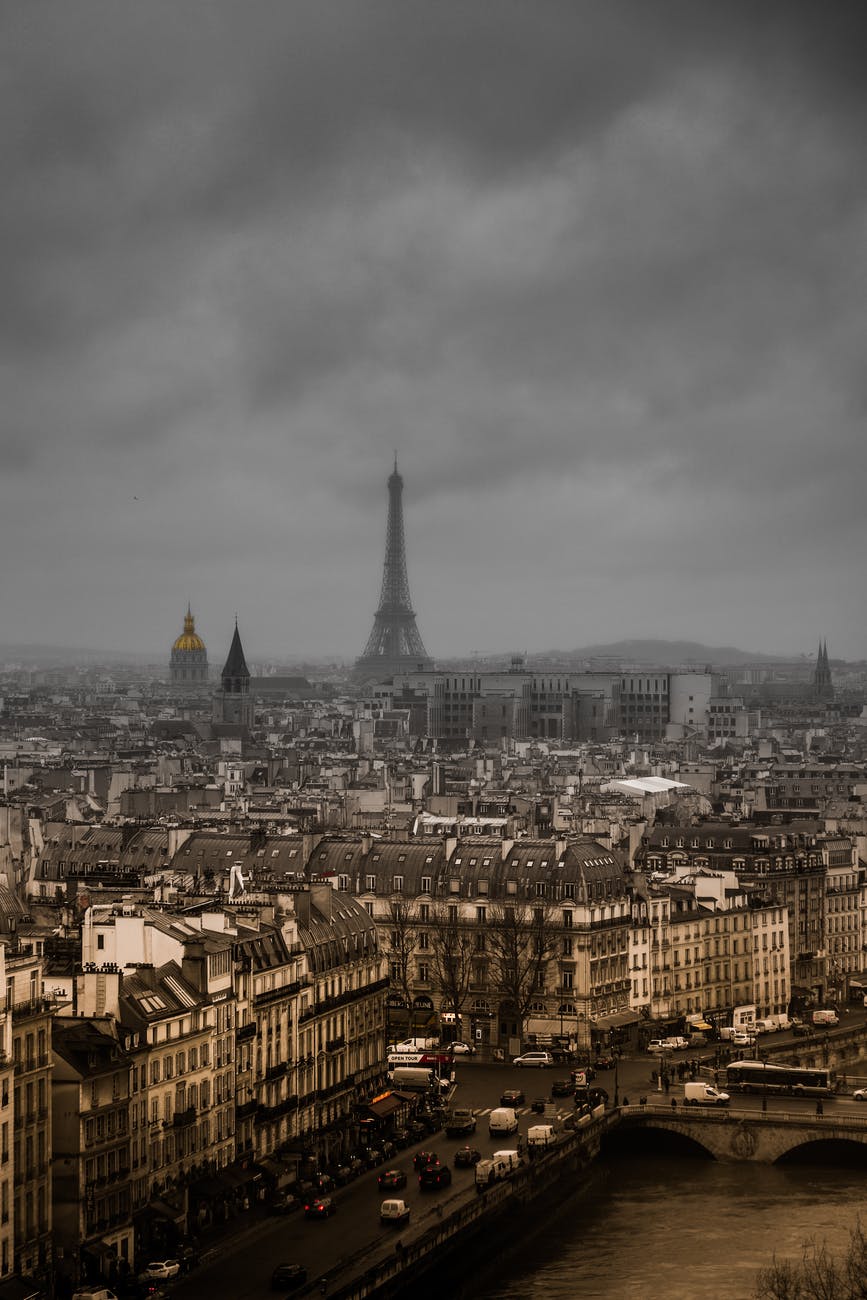
Wilde lived life passionately, sardonically, and unapologetically. He was born in Dublin, Ireland in 1854 to two parents of literary accomplishment. While at Magdalene College, Wilde became a celebrated poet, wit, and poseur during the 1870’s. During his adult years, he became a symbol of the Aesthetic movement and faced criticism for his flamboyant appearance and what was then regarded as a “feminine” interest in art. However, he continued to host lectures on Aestheticism and publish society dramas, romantic allegories, and other works. In 1884, he married Constance Lloyd, the mother of his two children, both male. Although it is inferred that he cared about his family, Wilde also maintained extramarital relationships with men. In 19th century Europe, homosexuality was regarded as a criminal act; during the last decade of his life, Wilde faced trial for his purported relationship with Lord Alfred Douglas after his libel suit against the loose-lipped marquess of Queensbury, Douglas’ father, collapsed. Following a second trial on charges of sodomy, Wilde was sentenced to two years of hard labor. Despite the misfortune of a damaged reputation and bankruptcy following his release, he maintained a joyful attitude and attempted to suture the tattered material left of his life. He died suddenly in 1900 in Paris, France of acute meningitis. During his final moments, he was received into the Roman Catholic church per his wishes.
The life events of Oscar Wilde impacted his perspective on the world and the nature of his art. He channeled the excitement, romance, risk, tension, immorality, virtue, misery, and pleasure he experienced to produce his one and only novel, The Picture of Dorian Gray— a work of fiction and rhetoric as controversial and multifaceted and indulgent as its creator.
Work Cited
Beckson, Karl. “Oscar Wilde.” Encyclopædia Britannica, Encyclopædia Britannica, Inc., 5 Feb. 2019, http://www.britannica.com/biography/Oscar-Wilde.
Britannica, The Editors of Encyclopaedia. “Aestheticism.” Encyclopædia Britannica, Encyclopædia Britannica, Inc., 26 Oct. 2018, http://www.britannica.com/art/Aestheticism.
Burton, Neel. “The Two Types of Psychopath.” Psychology Today, Sussex Publishers, http://www.psychologytoday.com/gb/blog/hide-and-seek/201901/the-two-types-psychopath.
Person. “15 Pieces Of Style Advice From Oscar Wilde.” ShortList, ShortList, 5 May 2014, http://www.shortlist.com/style/15-pieces-of-style-advice-from-oscar-wilde/32919.
Romantic Circles, Romantic Circles, http://www.rc.umd.edu/sites/default/RCOldSite/www/rchs/reader/tabbey.html.
Seymour, Miranda. “Constance: The Tragic and Scandalous Life of Mrs Oscar Wilde by Franny Moyle – Review.” The Guardian, Guardian News and Media, 24 June 2011, http://www.theguardian.com/books/2011/jun/24/constance-mrs-wilde-franny-moyle-review.
Wilde, Oscar. The Picture of Dorian Gray. 1890. Barnes & Noble, Inc., 2015.
Wordsworth, William. “Lines Composed a Few Miles above Tintern Abbey, On Revisiting the Banks of the Wye during a Tour. July 13, 1798 by William Wordsworth.” Poetry Foundation, Poetry Foundation, http://www.poetryfoundation.org/poems/45527/lines-composed-a-few-miles-above-tintern-abbey-on-revisiting-the-banks-of-the-wye-during-a-tour-july-13-1798.
 The Picture of Dorian Gray